
You’re in Australia with your partner
The 820/801 pathway is lodged in Australia. What your current visa allows — and any condition on it — can decide whether you can apply at all, so that question belongs in the first conversation, not the last.
Partner Visa
You apply for the temporary and permanent partner visas together — the 820 inside Australia, the 309 outside it — and the permanent stage follows from there. Partner cases stand or fall on relationship evidence, so the work that decides them starts months before anything is lodged. General information — eligibility depends on your circumstances.
MARN 0742343 · Registered Migration Agent · Perth & Manila
Start with your situation
The subclass number mostly answers one question: where are you when you lodge? If one of these sounds like you, a consultation is the cheapest way to find out where you stand.
The 820/801 pathway is lodged in Australia. What your current visa allows — and any condition on it — can decide whether you can apply at all, so that question belongs in the first conversation, not the last.
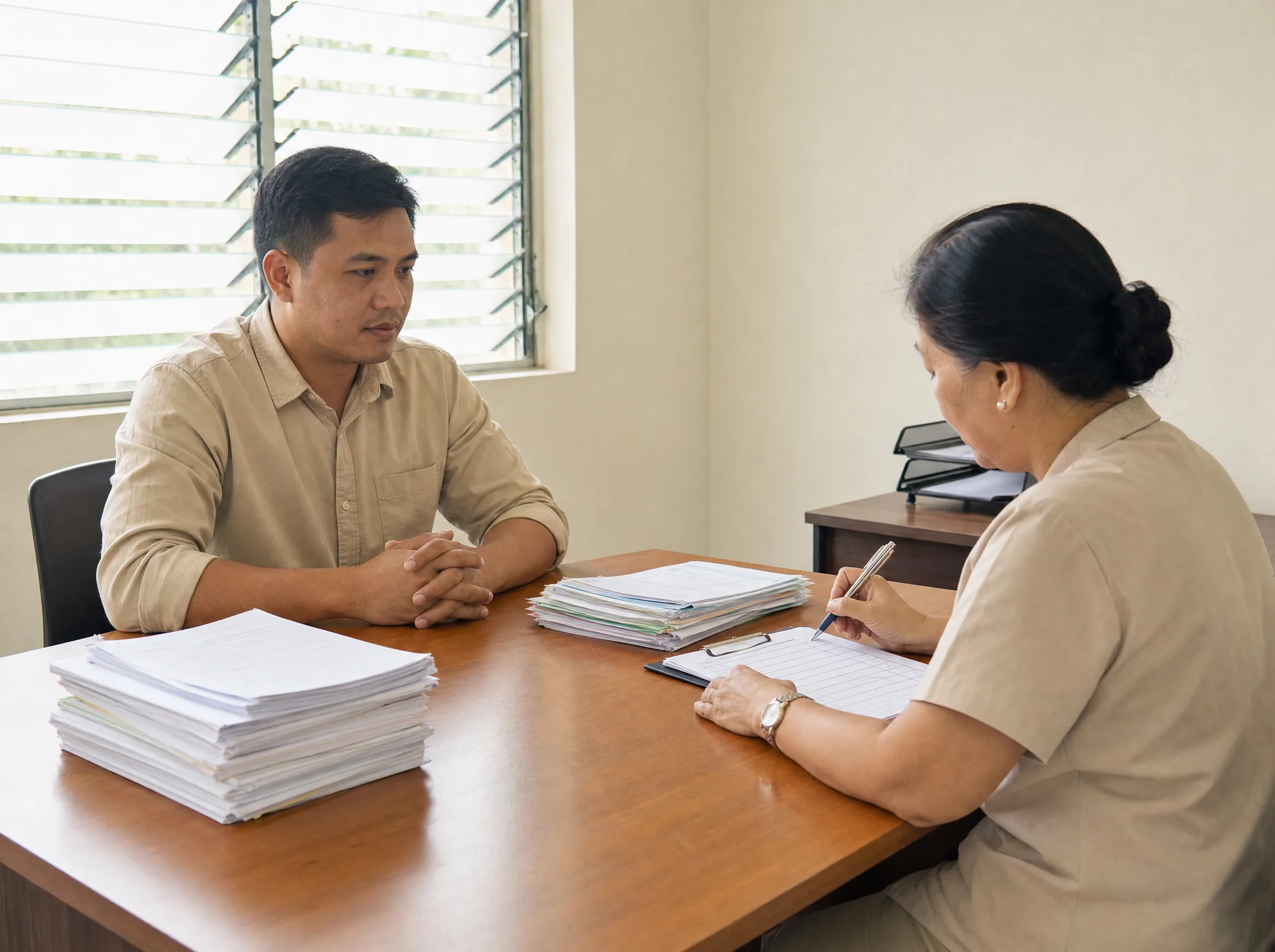
The 309/100 pathway is lodged outside Australia: the same two stages and the same relationship evidence, applied for while you’re outside Australia. The Uniplan satellite office means the Philippine side of it is handled face to face, not over email.

Partner applications stand or fall on relationship evidence, and most of the work is documenting the relationship carefully before anything is lodged. Starting that now — while you’re still together and unhurried — is the cheapest advantage there is.
How a partner application actually runs
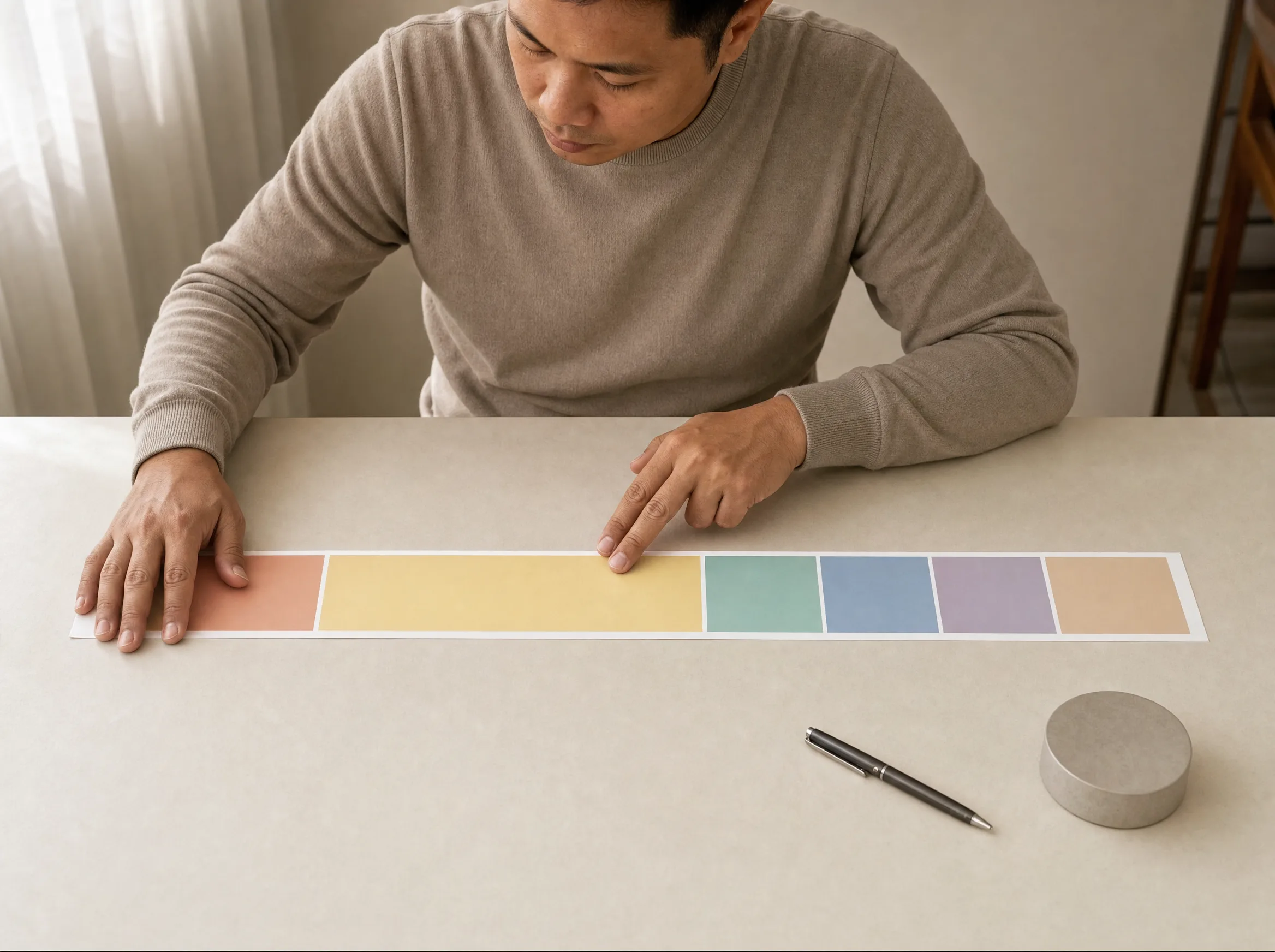
You build the evidence of the relationship; we prepare and lodge; the Department assesses both stages. Knowing where your part ends — and where the waiting starts — is the most useful thing we can tell you up front.
Which subclass fits where you are, what your current visa allows, and whether we think we can help — said plainly at this stage rather than after you’ve spent money. If we don’t think we can help, we say so.
FocusA genuine relationship has to be shown, not just stated. We map what your life together already documents — and what’s missing — while there’s still time to fill the gaps. This is the step that decides most partner cases, and it happens before anything is lodged.
You, with FocusYou apply for the temporary and permanent partner visas in one combined application, with your partner as your sponsor. Where you engage us, we prepare and lodge it — with the risks in your case set out in writing before anything goes in.
FocusProcessing times and outcomes rest with the Department of Home Affairs — and the permanent stage only becomes eligible for processing two years after you apply. No registered agent, us included, can hurry either clock. What we can do is make sure the application in front of the Department is the clearest your relationship supports.
The Department assesses the 820 or 309 and may ask for further evidence of the relationship. We manage that correspondence with you and tell you what each request actually means.
Home AffairsIf granted, the provisional visa lets you live, work and study in Australia — and travel to and from it — while the permanent application is processed. We keep your file ready for the second stage in the meantime.
YouTwo years after you applied, the permanent stage becomes eligible for processing. The Department assesses it and decides — the timing and the outcome are theirs. Whatever the decision, we explain what it means and what options remain.
Home AffairsHow the permanent stage actually runs
You gather what the years since lodgement have documented; we prepare the Stage 2 submission; the Department assesses and decides. Knowing where your part ends — and where the waiting starts — is the most useful thing we can tell you up front.

Which stage your application is actually at, what the permanent stage will ask of your case, and whether we think we can help — said plainly at this stage rather than after you’ve spent money. If we don’t think we can help, we say so.
FocusThe Department wants the relationship shown as it is now — shared finances, household, social life and commitment, across the years since you lodged. We map what your life already documents and what’s missing, while there’s still time to fill the gaps.
You, with FocusTwo years after you applied for the temporary and permanent visas together, the permanent stage becomes eligible for assessment. The lodgement date — visible in ImmiAccount — is the one that counts.
Home AffairsOnce the two years have passed, the permanent-stage documents go in through ImmiAccount as the “Stage 2 – Permanent Partner Visa Assessment” — the Department says not to send them earlier. Where you engage us, we prepare and submit it, with anything sensitive in your case set out in writing first.
FocusThe Department assesses the 801 or 100 and may ask for further information or fresh police or health checks. We manage that correspondence with you and tell you what each request actually means.
Home AffairsIf granted, you’re a permanent resident from grant day: live, work and study in Australia indefinitely, Medicare access, the ability to sponsor eligible family, a five-year travel facility, and — if eligible — a pathway to citizenship. Whatever the decision, we explain what it means and what options remain.
Home AffairsApplying from the Philippines
Many partner applications span the Philippines and Australia — a relationship, a sponsor and a paper trail split across two countries. The practice sits on both, so nothing in your story gets lost between them.

302 J.P. Rizal St., Project 4, Quezon City, Metro Manila 1109, Philippines — Appointment only. All enquiries go to the Perth Team.
Evidence gathered in the Philippines and in Australia lands in one file, prepared by one practice — no hand-off between a Philippine agent and an Australian one, and no version of your relationship lost in between.
Where the applicant is in the Philippines and the sponsoring partner is in Australia, each of you can deal with us face to face on your own side — the same advice, from the same practice, in both places.
Common questions
General information about the partner pathway and how we work — not migration advice.
This page is a starting point, not an assessment. It isn’t an eligibility checker, and nothing on it means you qualify — that call is made on your documents, in a consultation.
Where you are when you apply — that’s the difference. Both are the first stage of the same two-stage partner application.
Either way, you apply for the temporary and permanent visas together, and the evidence work is the same work.
No — and anyone who tells you that is skipping the important part.
We keep your file ready for the permanent stage so the two years don’t go to waste.
Evidence that the relationship is genuine — shown across your shared life, not stated in a letter.
What your relationship needs to show depends on your circumstances — that’s a consultation, not a checklist.
A dependent child can generally be included — either when you lodge, or after lodgement but before the temporary visa is decided.
General information — outcomes depend on individual circumstances.
No guarantee — no registered migration agent can offer one — and most of the timeline isn’t ours to control.
Costs fall into two parts, and we quote yours in writing after we talk.
We confirm the charges that apply to your case in writing, before anything is lodged.
Where the original application was lodged — that’s the difference. Both are the permanent stage of the same two-stage partner application.
Either way, you already paid for the permanent stage when you applied — and the two-year eligibility clock runs from that same lodgement date.
Proof that the relationship still holds — with the same sponsor — told by the years since you lodged.
What your file needs to show depends on your circumstances — that’s a consultation, not a checklist.
Then the answer depends on what changed — and it’s a conversation to have early, not after a decision.
Nothing here predicts an outcome. If this is you, tell us before you tell yourself it’s over.
Get started
Book a consultation at the Perth office or by Zoom, or call and tell us where your relationship — and your paperwork — is up to. We’ll tell you honestly whether we can help.
MARN 0742343 · Appointments by booking · Perth office or Zoom