
The practice
Recruitment and migration, under one roof.
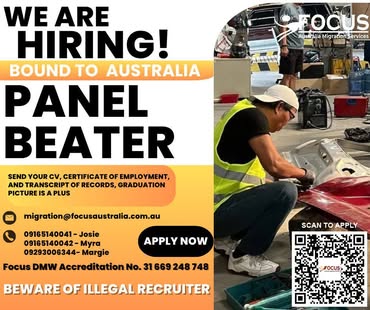
Most recruiters stop at the shortlist. Most migration agents never touch recruitment. The same team that finds your panel beater also runs the sponsorship and the visa — one file, one standard, Perth and Manila.
What recruitment includes
- Sourcing, screening and interviews in the Philippines
- A shortlist you meet — you choose who goes forward
- Philippines accreditation through Uniplan, our accredited land-based agency partner
- Exit clearance and arrival coordination after the grant
What migration includes
- Eligibility assessment for your business and the role
- Sponsorship, nomination and Skills in Demand visa preparation
- Skills assessment guidance where the occupation needs one
- Department correspondence and case management, end to end

The occupations we place most
Explore a few of the trades we commonly assist, then see the full list below.
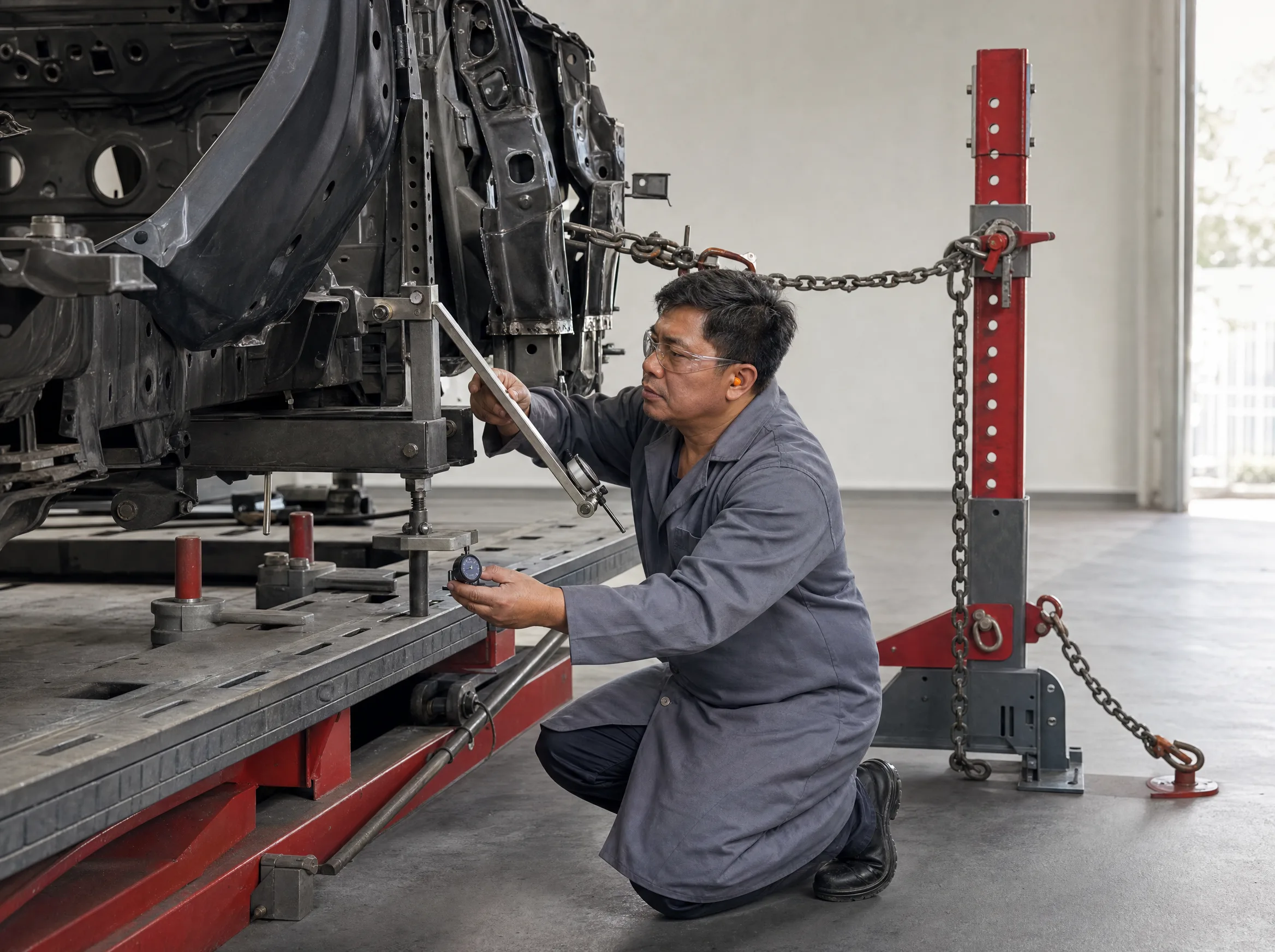


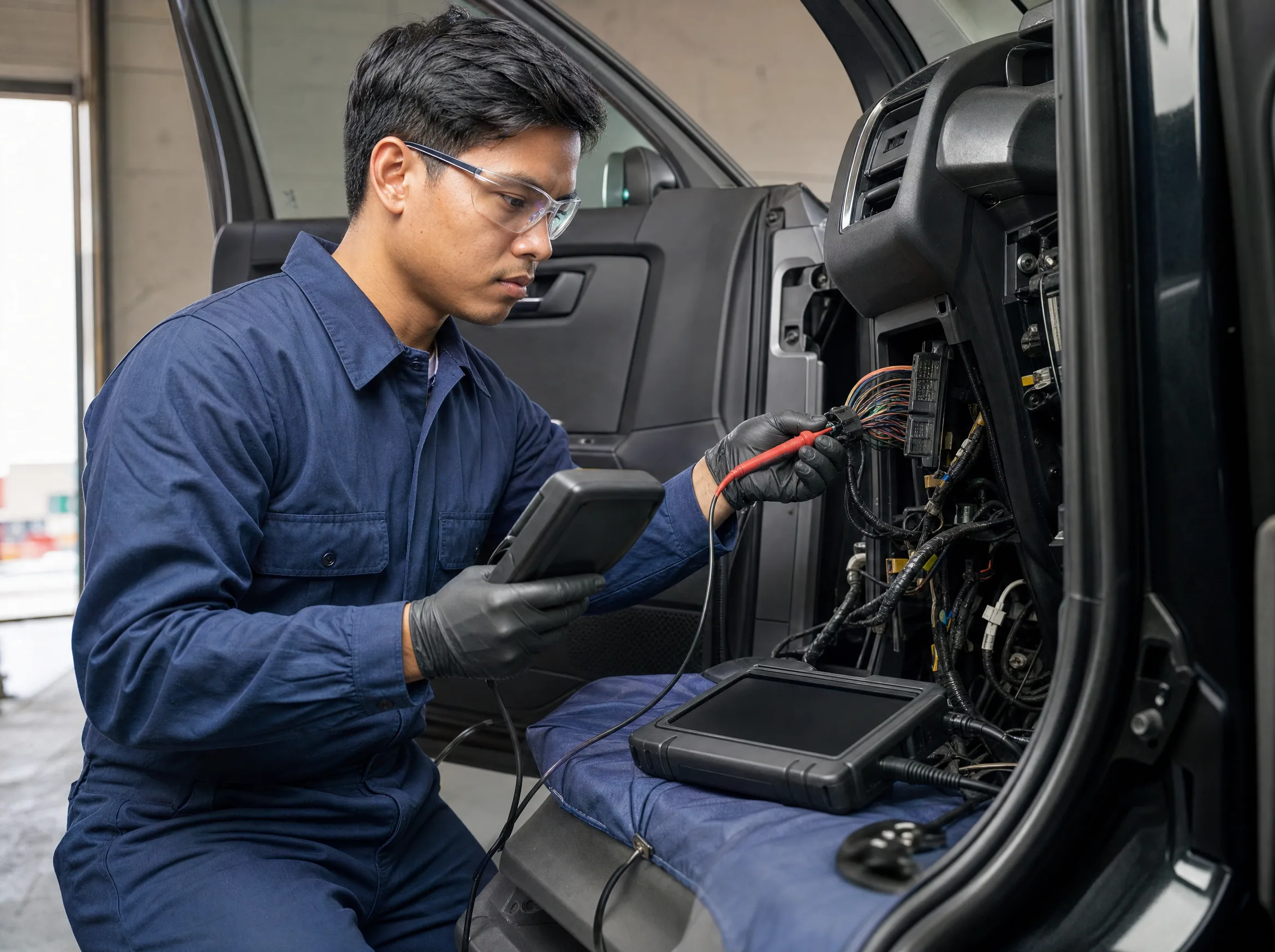
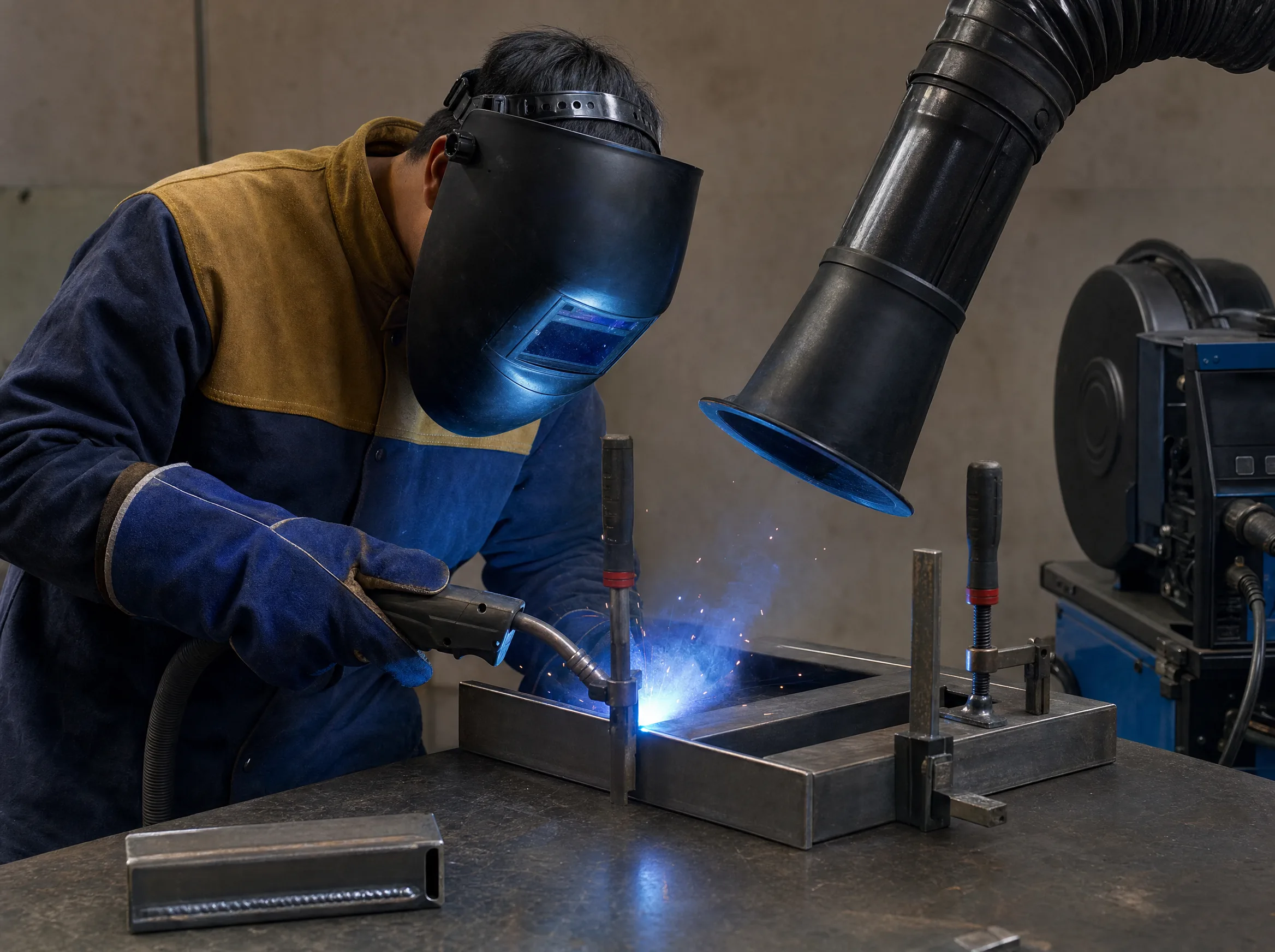

Roles we assist
Automotive
- Panel beaters
- Vehicle spray painters
- Mechanics
- Automotive electricians
Engineering and fabrication
- Hydraulic fitters / technicians
- Electrical engineers / technicians / draftspersons
- Mechanical engineers / technicians / fitters
- CNC machinists
- Welders
Construction and marine
- Landscape gardeners
- Boat builders / repairers
- Drainers / plumbers
- Glaziers
Personal services and food
- Barbers / hairdressers
- Butchers
We also assist with other Core Skills Occupation List (CSOL) occupations. Tell us your role so we can assess the relevant requirements.
From vacancy to first day on site
Six steps, one practice — and the steps overlap rather than run end to end. The Department of Home Affairs controls processing, so we work in stages, not promises — and confirm the current published guidance for your case in writing.
We screen, interview and shortlist candidates for your role. You meet the shortlist and decide who goes forward.
Your business becomes an approved Standard Business Sponsorship holder — a Home Affairs approval, generally valid for about five years. How long approval takes sits with Home Affairs; we confirm the current published guidance when we scope your case.
The Philippines side runs through the Department of Migrant Workers, arranged with Uniplan, our accredited land-based agency partner.
Only if the occupation requires one — documents first, then usually a technical interview. Timing sits with the assessing authority and the case; we confirm the current guidance for your occupation before you commit.
The role must be advertised for a minimum of 28 days before the nomination can be lodged. We tell you where to advertise, what the advertisement has to say, and what evidence to keep.
You nominate the position; your worker applies for the Skills in Demand visa (subclass 482). Once lodged, the processing time and the outcome rest with the Department of Home Affairs.
After the grant, your worker still needs Philippines exit clearance before they can depart. We plan that step with you once the grant is in hand.
Who pays what
Sponsorship costs
Three groups. No surprises about which is which: your written quote sets out every item for your case after we talk.
Our professional fees
Quoted in writing after we talk — they depend on the pathway, the complexity of the case, and whether your business already holds a Standard Business Sponsorship.
Government charges
The sponsorship application, the nomination, the visa, and the Skilling Australians Fund levy. They change every 1 July — we confirm the current figures when we scope your case.
Case-specific items
The skills assessment where one is required, the job advertising, the Philippines accreditation step, and the worker’s first airfare.
A defined job, not an open-ended one
What Focus does. What your business must do.
What Focus does.
- The initial eligibility assessment
- Sponsorship, nomination and visa preparation
- Ongoing case management
- Department correspondence
- The Philippines accreditation
What your business must do.
- Employing the person in the nominated role
- Terms consistent with Australian standards
- Keeping records
- Notifying the Department of changes
- The sponsorship obligations, for the life of the approval
Satellite Office: Uniplan
Accreditation and exit clearance through Uniplan.
An Australian visa on its own is not enough. Filipino nationals leaving for overseas employment must clear the Philippine Department of Migrant Workers — and without exit clearance, a worker can be stopped from leaving the country.
302 J.P. Rizal St., Project 4, Quezon City, Metro Manila 1109, Philippines.
- The DMW step
There is an employer accreditation step with the Department of Migrant Workers, formerly the POEA. We process it for you.
- A real accredited partner
Accreditation runs through Uniplan Overseas Employment Inc, the accredited land-based agency we work with in the Philippines — so your worker keeps welfare support while abroad.
- Exit clearance after the grant
Your worker needs it before they can depart. We plan this step into the process from the start and confirm the timing for your case once the grant is in hand.
Which employers this suits This suits an ongoing, genuine skills shortage in an eligible occupation — the panel shop that cannot keep a beater, not a one-off vacancy you could fill locally next week. If that sounds like your business, the process above is how a hire runs, and the questions below are the ones every employer asks us first.
Employers & partners
Employers and recruitment partners




























Names and logos published with permission.
Employer questions
The ten questions every employer asks first
Costs fall into three groups:
- Our professional fees. Quoted in writing after we talk — they depend on the pathway, the complexity of the case, and whether your business already holds a Standard Business Sponsorship.
- Government charges. The sponsorship application, the nomination, the visa, and the Skilling Australians Fund levy. They change every 1 July.
- Case-specific items. A skills assessment, the job advertising, the Philippines accreditation step and the worker’s first airfare.
What you pay depends on the pathway, the complexity of the case, and whether your business already holds a Standard Business Sponsorship — and government charges are re-set every 1 July. We quote your case in writing after we have talked about your roles; we do not publish a price list.
It depends on the pathway, and the steps overlap rather than run end to end. We do not publish timeframes, because no one outside the deciding authority controls them.
- Standard Business Sponsorship, nomination and visa. Each is decided by the Department of Home Affairs on its own criteria, and Home Affairs controls processing.
- Skills assessment. Where the occupation needs one, timing sits with the assessing authority.
- The Philippines side. Accreditation and exit clearance run through the Department of Migrant Workers and are planned around your grant.
When we scope your case, we confirm the current published guidance for each stage in writing.
A Standard Business Sponsorship is the Home Affairs approval that lets your business sponsor skilled workers; it is generally valid for about five years.
- Your obligations. The approval commits you to the sponsorship obligations, including employing the person in the nominated occupation on employment conditions consistent with Australian standards.
- What we handle. We run the initial eligibility assessment, prepare the sponsorship, nomination and visa applications, manage the case, and handle Department correspondence.
- What stays with you. The obligations themselves stay with your business — our job is to make them clear and keep you inside them.
Yes. A Core Skills nomination has to meet the Core Skills Income Threshold, and the salary also has to be consistent with Australian employment conditions for that role — in practice the higher of the two is what applies.
- Core Skills Income Threshold. The threshold is indexed every 1 July, so the current amount moves; we confirm it against your specific role and location before you commit to anything.
- Specialist Skills stream. It has its own, higher threshold.
Yes — that is Labour Market Testing, and it has to be done before the nomination is lodged.
- Minimum period. The packs quote a minimum advertising period of 28 days, and the nomination has to demonstrate that the testing requirement was met.
- What we do. We tell you where to advertise, what the advertisement has to say, and what evidence to keep.
The advertising itself is a case cost, quoted along with everything else.
Often, yes.
- Occupations. Occupations such as panel beater, mechanic and fitter generally need a positive skills assessment to be eligible under the Skills in Demand programme, although exemption provisions can apply depending on the person’s circumstances.
- Two stages. The assessment runs in two stages — documentary evidence first, then a technical interview.
- Timing. Timing depends on the assessing authority and the individual case; we confirm the current guidance when we tell you whether your occupation needs one.
We tell you at the initial assessment whether your occupation needs one.
Nothing on this page is a guarantee, and we do not offer one.
- Separate criteria. An approved Standard Business Sponsorship does not automatically mean a nomination or a visa will be approved — each has separate criteria that have to be satisfied on their own merits.
- Department control. Once applications are lodged, both the processing time and the outcome rest with the Department of Home Affairs and are outside our control.
We set out the risks in your case, in writing, before anything is lodged.
You see the shortlist and you choose — we screen, interview and shortlist candidates in the Philippines first, and you meet the final candidates before anyone goes forward.
- Visa requirements. Separately, the visa itself sets a bar the applicant has to clear: relevant qualifications, the required work experience, English competency, and health and character requirements.
- Skills assessment. For most trades occupations there is also the skills assessment, which includes a technical interview with the assessing authority.
Filipino nationals leaving for overseas employment generally have to comply with the Philippine Department of Migrant Workers, formerly the POEA — an Australian visa on its own is not enough, and without exit clearance a worker can be stopped from leaving the country.
- Employer accreditation. There is an employer accreditation step, which we process through Uniplan Overseas Employment Inc, the accredited land-based agency we work with in the Philippines.
- Agency fee and welfare. Where the process runs through the agency, an agency fee can apply, payable by the worker. What applies to your hire is set out in writing before anything is lodged.
- Exit clearance. It is planned around your visa grant, and the timing is confirmed for your case at the time.
Employment can end for ordinary reasons, and your sponsorship obligations do not end with it.
- When employment ends. The employment ending is a change your business has to report to the Department within the required timeframe, and a travel-cost obligation can attach.
- The worker’s next step. The worker gets a limited period to find another approved sponsor or to make other arrangements.
- Filling the position again. If you want to fill the position again, your Standard Business Sponsorship is generally still live — an approval lasts about five years — so the next hire usually picks up at the nomination stage rather than starting over.
We will tell you exactly what applies to your case at the time.
Talk to us
Tell us the roles. We will take it from there.
Send the enquiry and a real person reads it — or skip the form and call. Either way it starts a conversation about your roles, then a plan and a written quote. Fees are quoted after we talk, never before.
Prefer to call or email?
Weekdays 8:00am–4:00pm Perth time · focus@focusaustralia.com.au
Registered migration agent. Licensed recruiter.
- Registered migration agentMARN 0742343
- Recruitment licenceAU1889
- DMW / Uniplan accreditation101249215627
- Migration Institute of Australia2685
- Perth & ManilaSince 2008